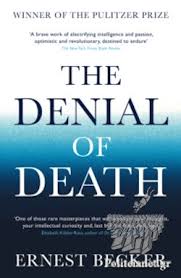
This summer, I delved into Ernest Becker’s profound work, The Denial of Death. For anyone passionate about the arts, especially theatre, this book offers deep insights into human existence and the often-ignored subject of mortality.
“Mankind’s common instinct for reality… has always held the world to be essentially a theatre for heroism.”
—William James
At the heart of Becker’s exploration lies the concept of heroism. Philosophers like Nietzsche and everyday individuals alike have long recognized that our fundamental calling is the pursuit of heroism—a quest to find meaning and assert our significance in the world.
Becker intriguingly connects heroism to narcissism, suggesting that our desire to be heroic stems from a deep-seated self-absorption. The ancient Greeks illustrated this through the tale of Narcissus, highlighting humanity’s enduring preoccupation with self. Even Aristotle noted, “Luck is when the guy next to you gets hit with the arrow,” underscoring our innate tendency to prioritize ourselves.
In the context of theatre, this dynamic is vividly apparent. Actors strive for recognition and distinction on stage, seeking to embody characters that resonate deeply and leave a lasting impact. This pursuit mirrors the human desire to stand out and affirm our worth. From vying for lead roles to seeking critical acclaim, performers often navigate their own forms of heroism and narcissism.
Consider sibling rivalry as Becker discusses—it’s not merely childish competitiveness but an early expression of our drive to be unique and valued. Similarly, actors may experience a form of this rivalry, competing for roles and recognition, each longing to be the “hero” in the narrative of their careers.
In modern society, social media amplifies these tendencies. Platforms like Instagram and Twitter become stages where individuals, including artists, curate and project their personal narratives of heroism. The quest for likes and followers reflects our ongoing search for validation and significance in a digital age.
This brings us to critical questions within our profession:
- What does it truly mean to be heroic in theatre?
- For whom do we perform—is it for ourselves, our audience, or something greater?
- Does our pursuit of recognition enhance or hinder the authenticity of our art?
Becker suggests that confronting our fear of death is central to understanding these motivations. Theatre, with its power to reflect and dissect human experience, offers a unique space to explore mortality and the profound truths of existence. Through stories that traverse love, loss, courage, and despair, we not only entertain but also engage audiences in grappling with life’s ultimate questions.
However, Becker also warns of a crisis of heroism in modern times. Many feel disconnected from traditional paths to meaning, leading to existential angst and a sense of purposelessness. Theatre can play a pivotal role in addressing this crisis by presenting narratives that offer new interpretations of heroism—ones that emphasize authenticity, vulnerability, and collective human experience over individual grandeur.
In embracing these themes, theatre practitioners can create works that are not only artistically compelling but also deeply relevant and transformative. By acknowledging and integrating our inherent desires for significance and understanding, we can craft performances that resonate profoundly and contribute meaningfully to the ongoing human story.
Ernest Becker’s The Denial of Death challenges us to examine the underlying motivations that drive our pursuits, both on and off the stage. By reflecting on heroism, narcissism, and our confrontation with mortality, we can enrich our artistic endeavors and foster a more profound connection with our audiences.
I highly recommend reading this remarkable book—it offers valuable perspectives that can inspire and inform our work in theatre and beyond.