It is not a good sign when a student performs all exercises flawlessly and rarely makes mistakes.
This means that they are not giving the green light to many things emerging within them—they are keeping themselves in a moderate, safe valley, where they can walk comfortably with their eyes closed, knowing there are no holes, ravines, or potholes to stumble upon by accident.
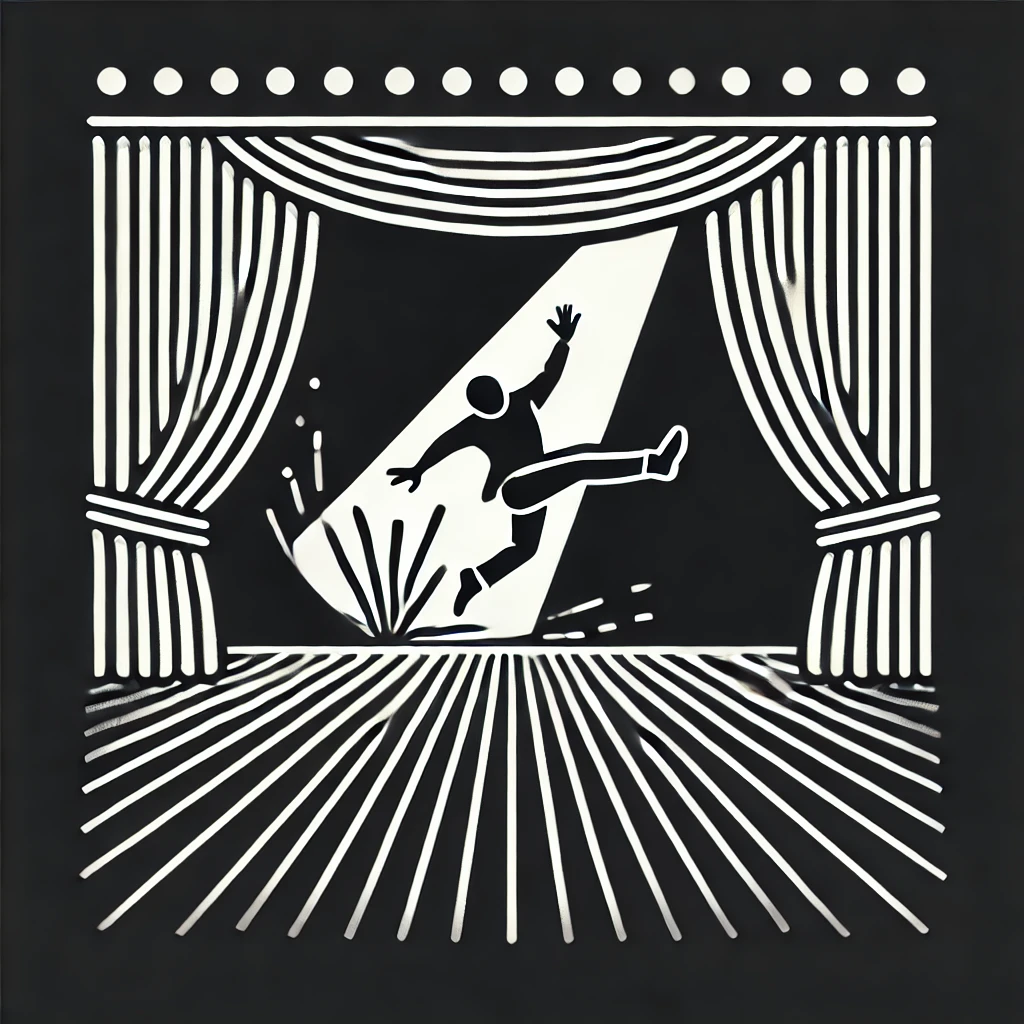
When you fully surrender to what you truly want to do, you quickly get carried away into attempting something beyond your current ability—you may lack sufficient technique, freedom, or endurance, and this leads to failure.
There is nothing shameful about this—it’s like practicing high jump and trying to clear a height you cannot yet reach—just wait a little, and you’ll get there.
But the fact that you do not suppress your boldness, your faith—this is a far greater achievement and a more important habit to develop.
The Second Benefit of Mistakes
This is of a different nature. When you make a mistake, your ego takes a hit—and this is highly educational, much like hitting your head on a low door frame.
If you do it once or twice, your reflexes will naturally adapt—you will automatically start lowering your head whenever you pass through that door.
Additionally, a blow to the ego forces you to become frustrated with yourself, to focus, to mobilize your energy.
Just like any great failure, which is often far more useful than success.
Success, in many cases, can be harmful.
— N. Demidov