An interesting observation from an article about Brecht
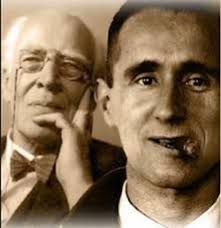
“Brecht, formerly hostile to Stanislavski having seen the American application of his approach, changed his view when he read his books and saw the MAT productions. In his 1951 Letter to an Actor (quoted in Brecht on Theatre by John Willett, Methuen Drama, 1964), he makes clear that some of his statements on critical objectivity […]
An interesting take from article in literature
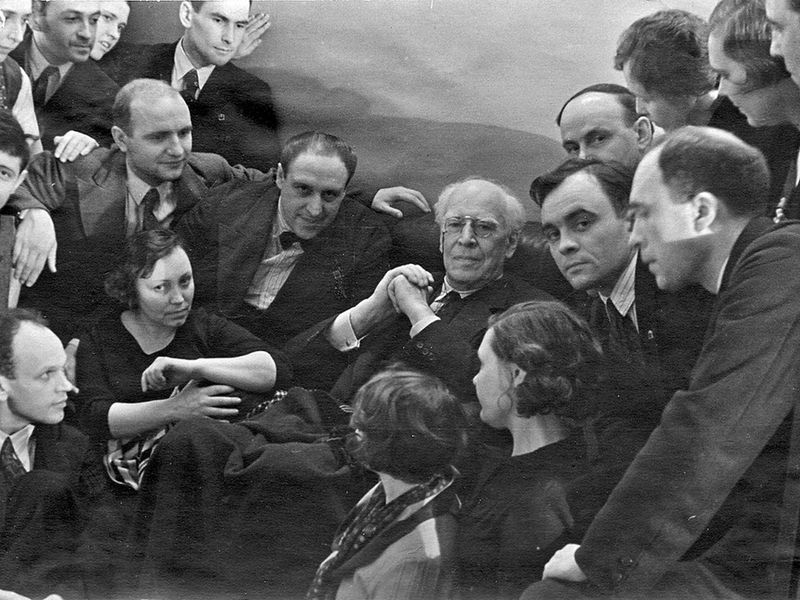
“[…]Sulerzhitsky and Demidov stand beside the more familiar “figures of Meyerhold, Vakhtangov and Mikhaïl Chekhov and, in their vicinity, Sushkevich, Boleslavsky, Birman, Uspenskaya and Giatsintova from the efflorescent First Studio.[..] Apparently the highly regarded people that knew how to teach the system were people like Sulerzhitsky, Demidov, Vakhtangov, MIkhail Chekhov, Meyerhold (as you notice all […]
Andreas Voutsinas & Lee Strasberg
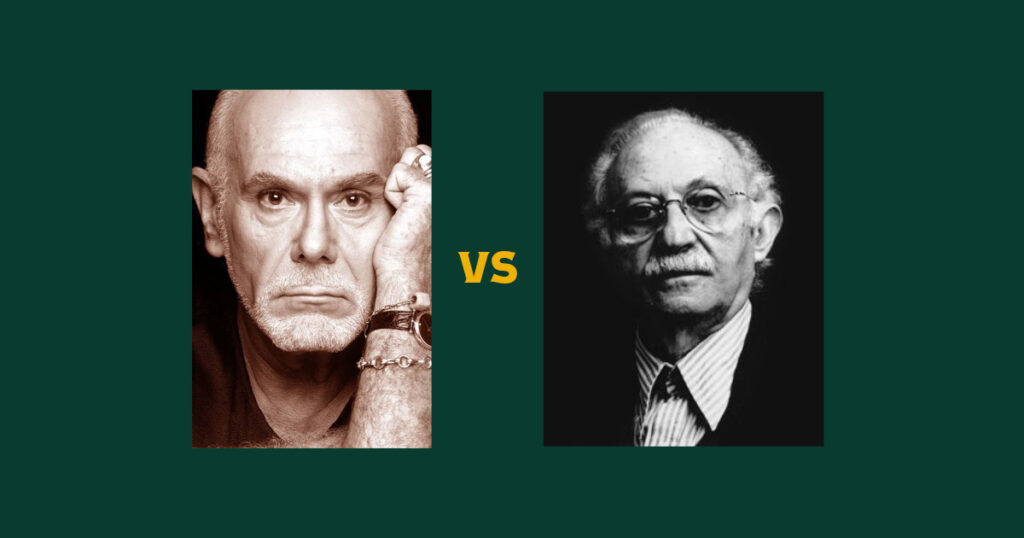
Andreas Voutsinas completed a sex scene, and Lee (Strasberg) asked, “What did you use there? I saw you were working on something, but I couldn’t quite see what it was.”“I used a sensory memory of having taken a bath.”“Why? What did that have to do with the scene?”“I did it because I wanted to have […]
A Hamlet New Year

“Give every man thine ear, but few thy voice.”— Hamlet, Act 1, Scene 3 “Give every man thine ear but few thy voice, and even fewer thy heart—unless they are in S.A.M.”— Me, Act 1, Scene 1, New Year Another year has passed, my Sam-sonian family. I don’t have resolutions this year; instead, I want to […]
Stanislavski & Demidov: Training, Drill* and the Quest for the “Fourth FLOOR**”
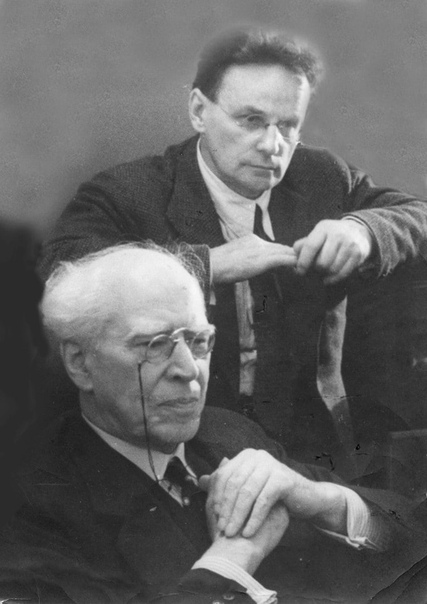
The history of modern acting often focuses on the work of Konstantin Stanislavski, overlooking how deeply he was influenced by the innovative ideas of Nikolai Demidov. However, to understand how the art of acting evolved from “the system” into a more holistic and instinctive approach, it is essential to examine how the concept of the […]
How Did Stanislavski React to All These New Ideas?
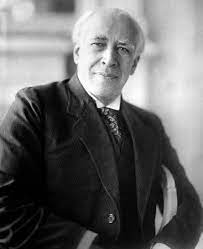
At first, a “war” broke out. It began when he was confronted with the idea that the real cause of failures in teaching at the Moscow Art Theatre (MAT) studios and school was neither haste nor a lack of professionalism or talent among the students. When he was invited to experiment with a completely new […]
What Does It Mean to Find the Right Form for a Great Play? (Demidov)
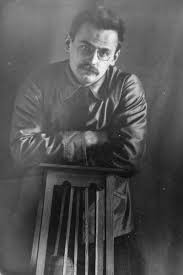
During Shakespeare’s time, instead of elaborate stage sets, a simple pillar with a banner was placed in the middle of the stage. The banner would read: Garden, Palace, Shore—and the audience was invited to imagine the space. Back then, theater focused elsewhere—on human conflicts, the power of passion, the deeper meaning of the play, and […]
Individuality or Insolence? (Demidov 4:5:460)
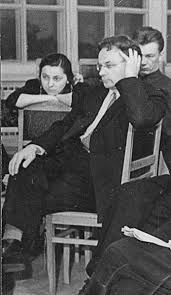
(KF: Be polite!) There is a particular trait that can be misleading. An actor may impress you with their courage, persistence, determination, and independence. However, their actions may sometimes exude a sense of rudeness and lack of aesthetic sensitivity… […] If you strip away this boldness, you may find that there is nothing substantial behind […]
Different Approaches to Dramatic Works: “Transcendence” and the Murder of the Author (Demidov 4:4:460)
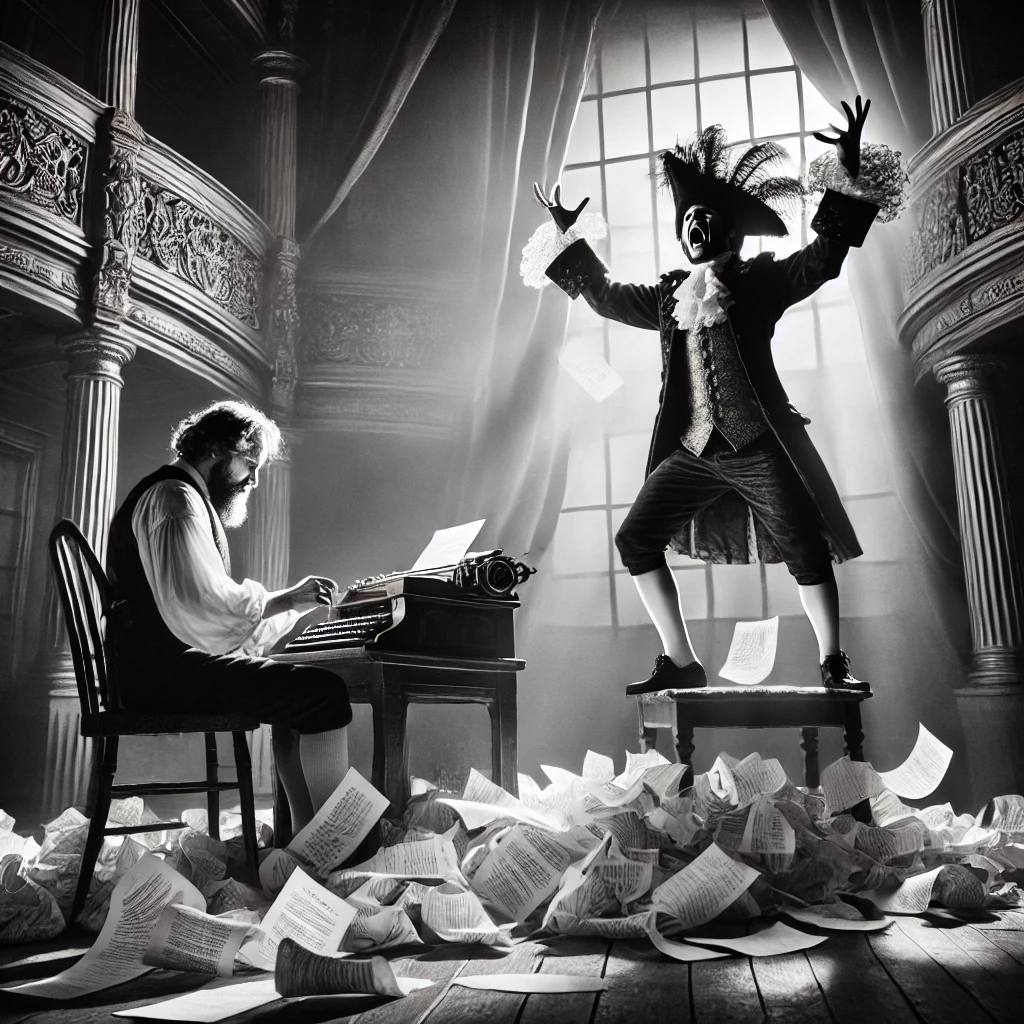
This particular approach to the author is not always present in theater. Nowadays, the antagonistic relationship between the performer and the writer is considered entirely normal. In recent years, a peculiar term has emerged: “transcendence.” Today, you gain no recognition if you solve the mystery of the playwright, if you open yourself up to them, […]
[…] Art is always in search of the eternal questions: “why?”, “who?”, and “how?”.
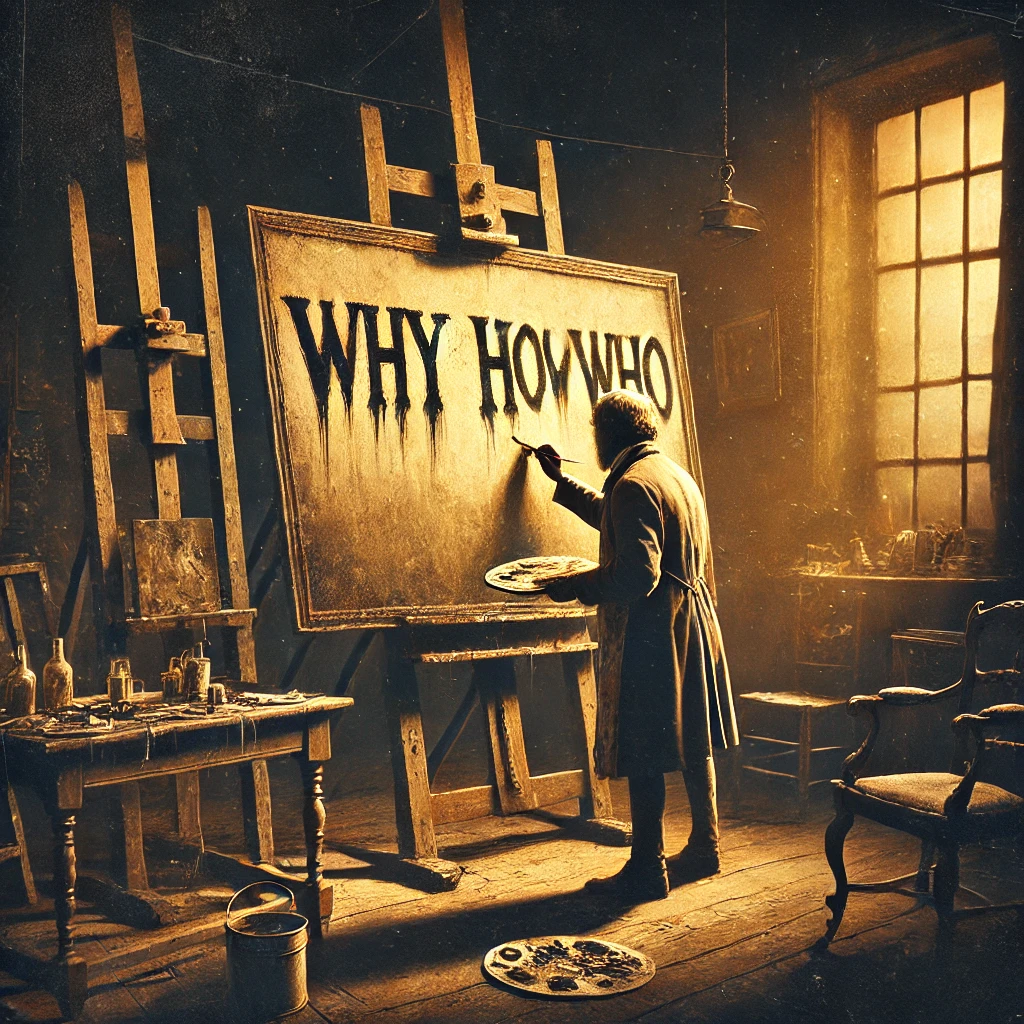
Sometimes people say:— There are no rules or laws in art!They quote Mayakovsky:— All poetry is a journey into the unknown! Such conclusions are sometimes considered necessary to pass on not only to young poets but also to young actors, painters, and musicians. And in saying this, they refer to Salieri, who “devoured music like […]