S.A.M. is a long-term research ensemble dedicated to sustained practice.
It is not a school, not a showcase, and not a commercial venture.
In a theatrical landscape increasingly shaped by short-term projects, visibility, and market logic, S.A.M. was formed to protect something increasingly rare: continuity. The ensemble exists so that practice does not stop when productions end, trends shift, or external demands intervene.
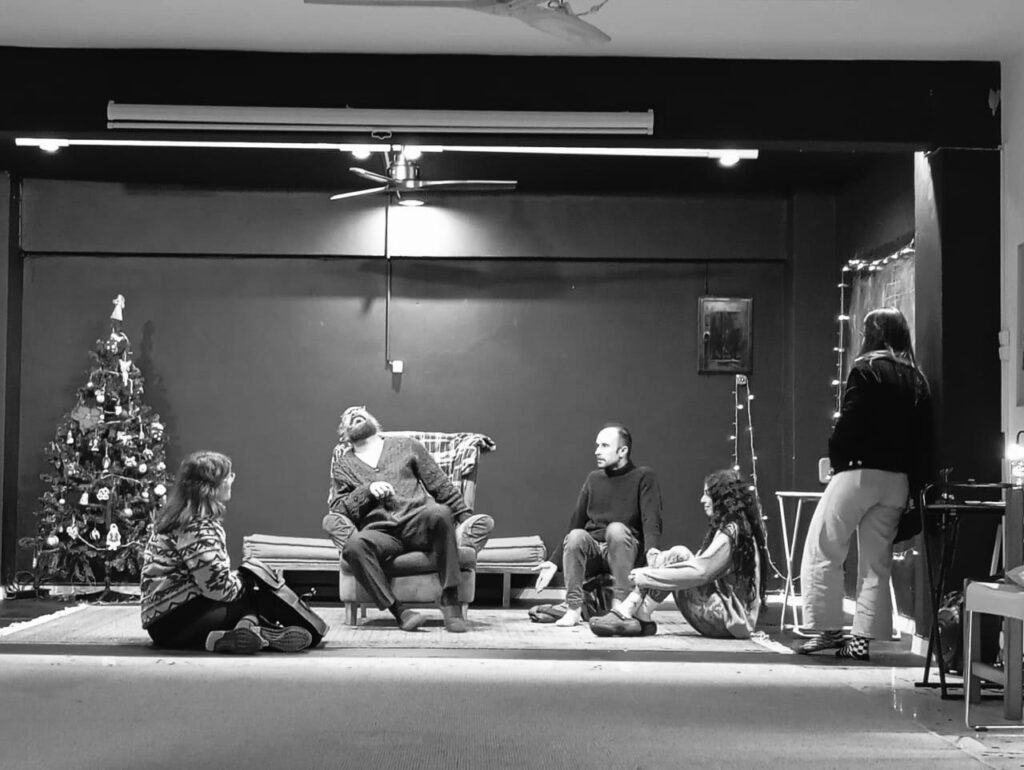
The ensemble meets weekly and functions as an ongoing laboratory for training, experimentation, and application. Work is developed over extended periods of time, allowing technique, perception, and artistic judgment to mature through repetition rather than through results-driven pressure.
This model has clear precedents internationally — from studio-based laboratories and research ensembles of the 20th century to long-form actor collectives — but it has not existed in this form within the Greek theatrical context. S.A.M. was created to fill that absence.
The week is structured around two distinct modes of work.
Tuesdays are dedicated to technique training. These sessions focus on disciplined, repeated practice aimed at developing perception, responsiveness, and endurance. The goal is not expression, performance, or interpretation, but availability — the capacity to remain open, responsive, and alive within structure.
Sundays are devoted to extended exploratory sessions. These may include rehearsal, performance experiments, études, or collective inquiry. Sundays are not outcome-oriented. They exist to test, observe, and allow discoveries to surface without being forced or prematurely fixed.
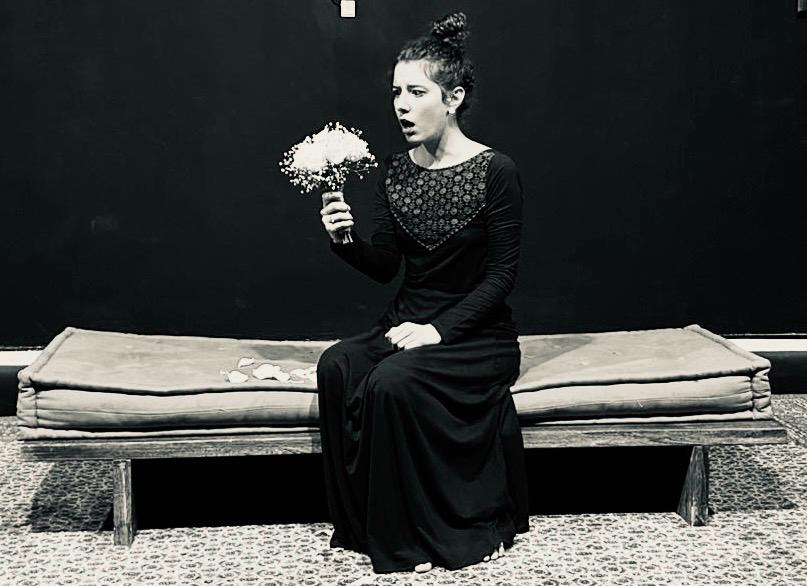
The ensemble often works with a single playwright over long periods of time — such as Tennessee Williams, Arthur Miller, Shakespeare, or Beckett — allowing technique, text, style, and authorship to inform one another organically. Rather than “applying” a method to a text, the work investigates how form, language, and acting technique reshape each other over time.
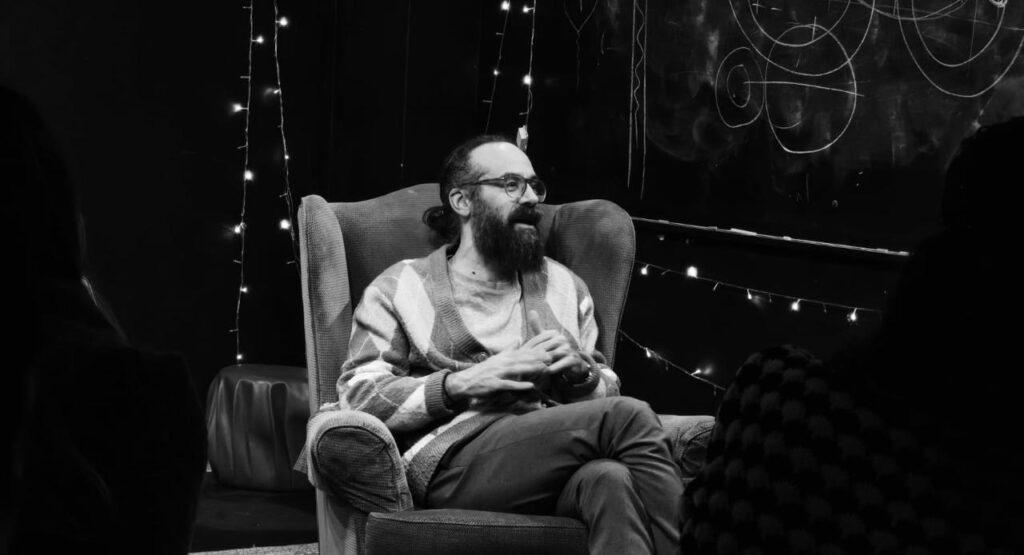
S.A.M. has an Artistic Director and an administrative structure to ensure continuity and organization. Artistic development, however, is understood as a shared responsibility. Leadership serves the work rather than imposing hierarchy, and authority is exercised in service of continuity, not control.
Membership is limited and commitment is essential. The ensemble does not operate according to conventional institutional models. Time, presence, and consistency are non-negotiable. The work is approached as a collective practice rather than an individual pursuit.
S.A.M. is intentionally non-commercial. It does not exist for profit, exposure, or career leverage. It exists so that actors can remain in practice — rigorously, continuously, and without compromise — in a context where practice itself is treated as a value, not a byproduct.
S.A.M. exists so that the work can deepen.
And so that practice does not stop.
We use cookies to improve your experience on our site. By using our site, you consent to cookies.
Manage your cookie preferences below:
Essential cookies enable basic functions and are necessary for the proper function of the website.