For thought:
Actor’s freedom Our ability to yield—without restrictions and without inhibitions—to the reflexive reactions that arise from our interaction and perception of the environment (both internal and external), with the imaginary (imagination/memory), and with language/thought.
Why Does Acting Feel So Different Now?

This video is detailed “enough”, but it fails to mention names like : Michael Chekhov, Vakhtangov, Demidov, or people like M.Knebel etc. It also fails to understand many topics (especially how the system was delivered, how, when and into what, it progressed, and the difference between naturalism, realism, and form, as they were mentioned by […]
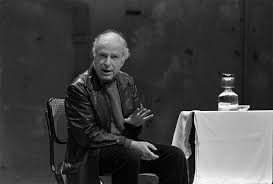
Peter Brook on the art of acting
Sometimes it’s about the company (ensemble) sometimes it’s about art, sometimes it’s about scales and sometimes it’s about our aim…meaning about a school, a method, a philosophy, a way of collective thinking. “It has long been recognized that without a permanent company (ensemble) few actors can thrive indefinitely. However it must also be faced that […]
Stanislavski’s Vision of the Taskbook
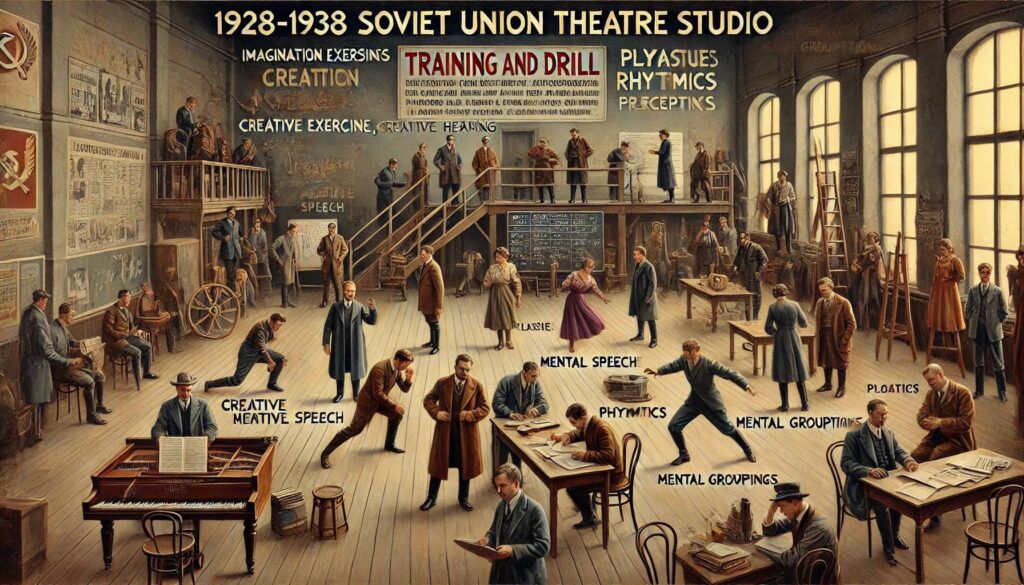
Beyond Self-Observation Training: Stanislavski’s Actor Cultivation Apart from self-observation training, Konstantin Stanislavski had two other types of training under the title “cultivation of the actor.”G.V. Kristi describes its content: “The cultivation of the actor, as understood by K.S. Stanislavski, is the daily training of the internal, psychological, and physical qualities that support the actor’s creativity.” […]
Mikhail Chekhov vs. Yevgeny Vakhtangov
Topic: Training The first known publication on Stanislavski-based training dates back to 1919. At that time, the magazine Gorn, published by Proletkult (Proletariat and Culture), featured two articles by Mikhail Chekhov about the system, describing some of its exercises. Mikhail Chekhov, then a brilliant actor at the Moscow Art Theatre, was deeply influenced by Nietzsche, […]
The Usefulness of Mistakes
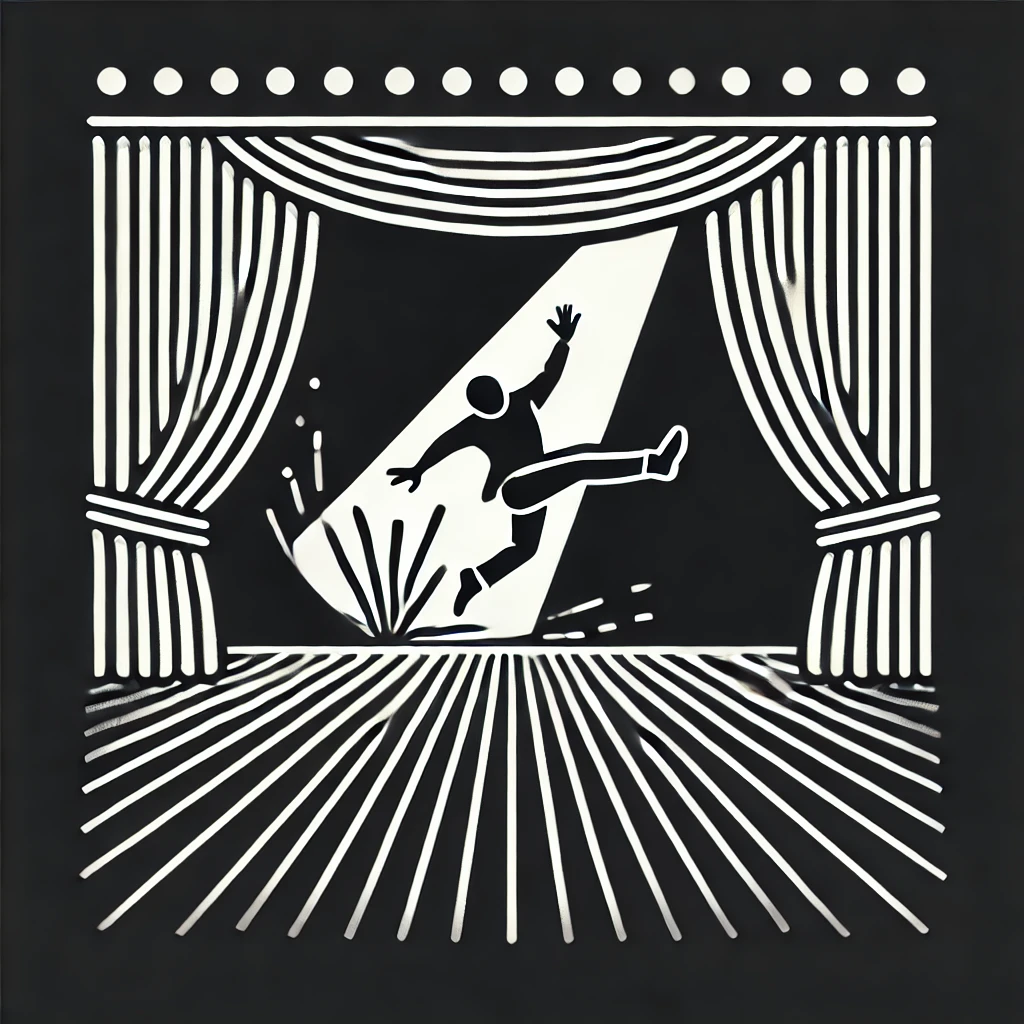
It is not a good sign when a student performs all exercises flawlessly and rarely makes mistakes. This means that they are not giving the green light to many things emerging within them—they are keeping themselves in a moderate, safe valley, where they can walk comfortably with their eyes closed, knowing there are no holes, […]
Different signals travel on different wave lengths.
When “in the moment,” I must tune myself in a certain way (achieve a certain psycho-physical state), in order to receive creative signals. These precious signals belong to the realm of subtle, “weak currents.” The voice of intuiting is very faint; to hear it, one must be in a state of deep artistic calm, tranquility […]
You can either BE a character or intellectually KNOW who the character is
Andrei Malaev-Babel explains the words by Demidov by saying You can either BE a character, and be in the heat of the moment, or intellectually KNOW who the character is, what the character does or wants – one or the other. I can either be inside a story or be outside of it and “tell a […]
We say acting is listening…
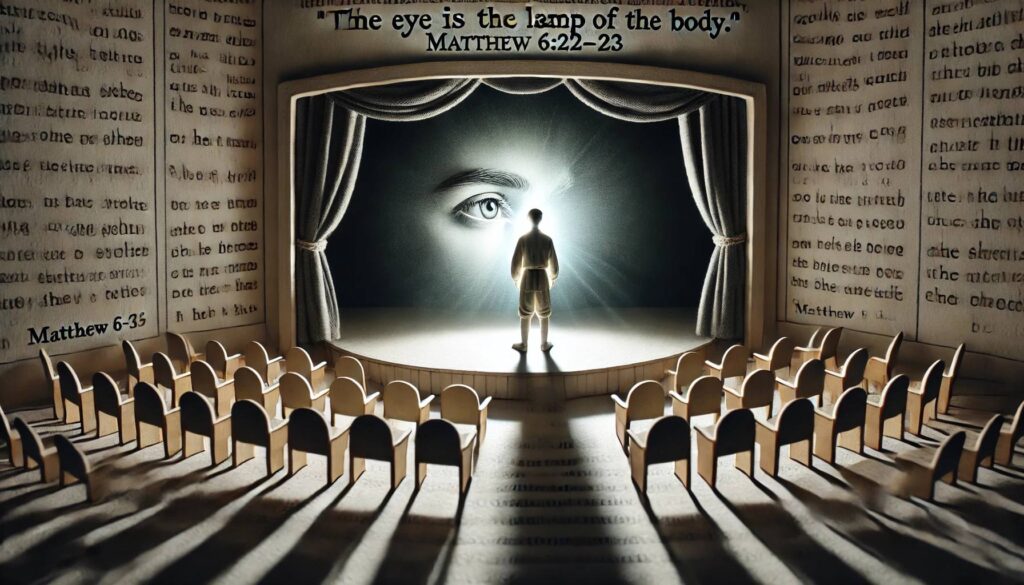
We also say that the soul is in the eyes… And we know, we damn well know that Meisner, for instance, is trying to teach you how to listen and how to see (to perceive), especially in the foundation of his technique. Do I agree with the way of implementation? Yes and no, but that’s not the […]
Most of you are probably not Star Wars fans. So be patient…
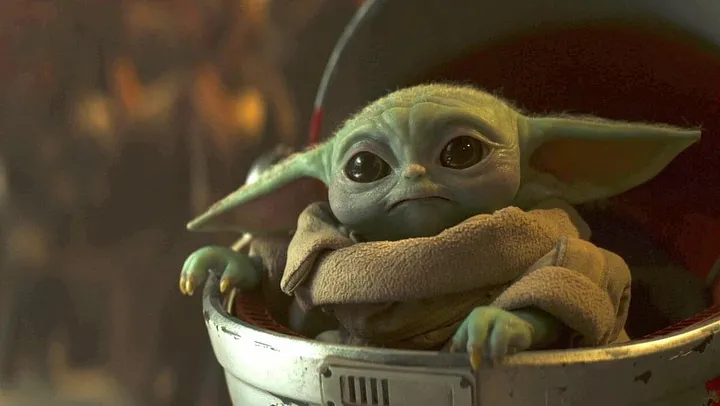
There is a Star Wars “spin-off” (yeah I know, there are many spin-offs; Star Wars is merchandise, after all). However one of the not-so-crappy ones was “The Mandalorian.” In a sense, it is an American space western that follows Din Djarin aka “Mando”, a lone Mandalorian bounty hunter who resembles Clint Eastwood, in the outer reaches of the […]