Contradiction and Polarity are certainties in Art
Look at Stanislavski contradicting his own writing IN THE SAME BOOK ! THAT’S WHY I WILL KEEP ON SAYING: “THE ROOT OF THE THING IS NEVER THE THING ITSELF.” IF YOU ARE LOOKING FOR A FORMULA…CHANGE OCCUPATION ART DOES NOT HAVE ONE. never get away from yourself. The moment you lose your¬ self on the stage […]
The Blind Spots of Critical Response Process (CRP) in the Field of Acting
(It is probably fine in the “fine arts”)A Nuanced and Very-Very (VERY) Biased Examination AGAINST IT. Liz Lerman’s Critical Response Process (CRP) is designed to create a structured and supportive environment for giving and receiving artistic feedback. While its methodology has gained popularity in the arts—particularly in the academic and artistic environment of theater and […]
What Does It Mean to Find the Right Form for a Great Play? (Demidov)
During Shakespeare’s time, instead of elaborate stage sets, a simple pillar with a banner was placed in the middle of the stage. The banner would read: Garden, Palace, Shore—and the audience was invited to imagine the space. Back then, theater focused elsewhere—on human conflicts, the power of passion, the deeper meaning of the play, and […]
Different Approaches to Dramatic Works: “Transcendence” and the Murder of the Author (Demidov 4:4:460)
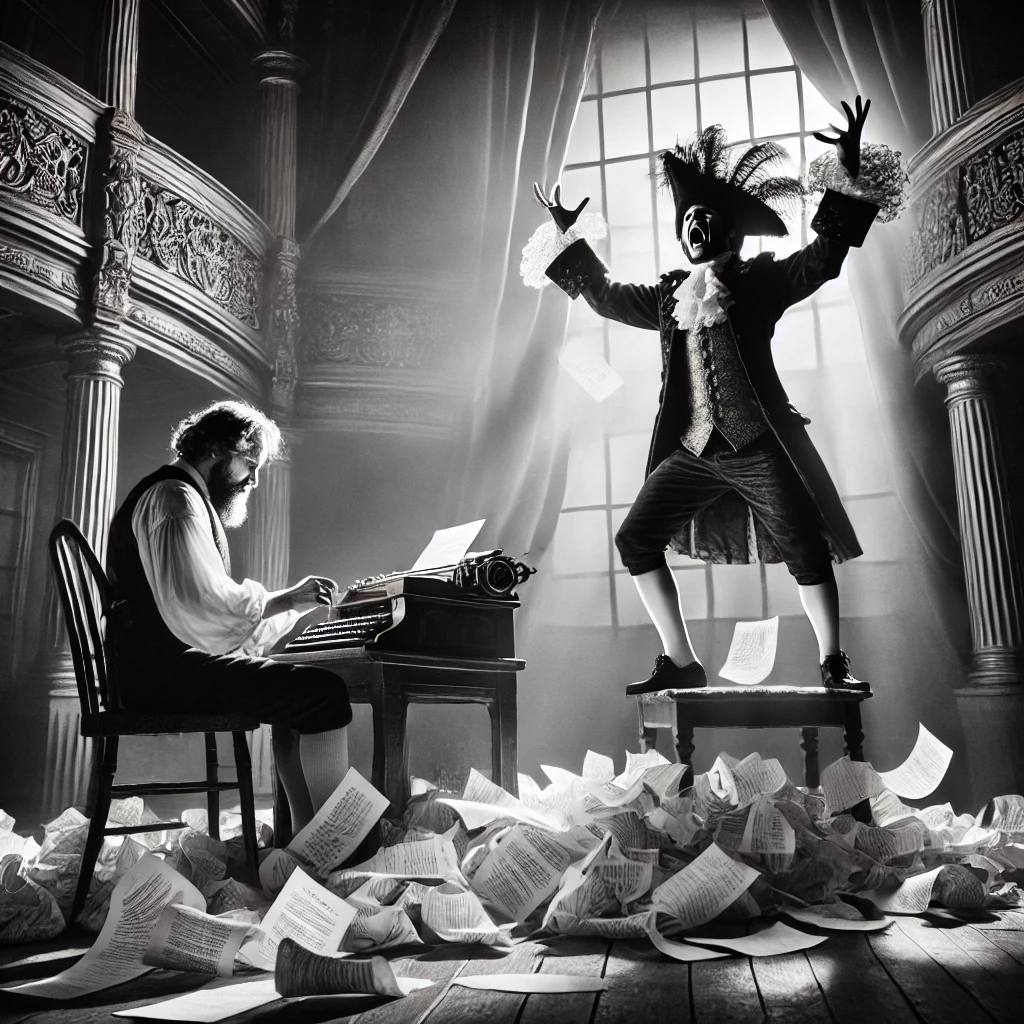
This particular approach to the author is not always present in theater. Nowadays, the antagonistic relationship between the performer and the writer is considered entirely normal. In recent years, a peculiar term has emerged: “transcendence.” Today, you gain no recognition if you solve the mystery of the playwright, if you open yourself up to them, […]
[…] Art is always in search of the eternal questions: “why?”, “who?”, and “how?”.
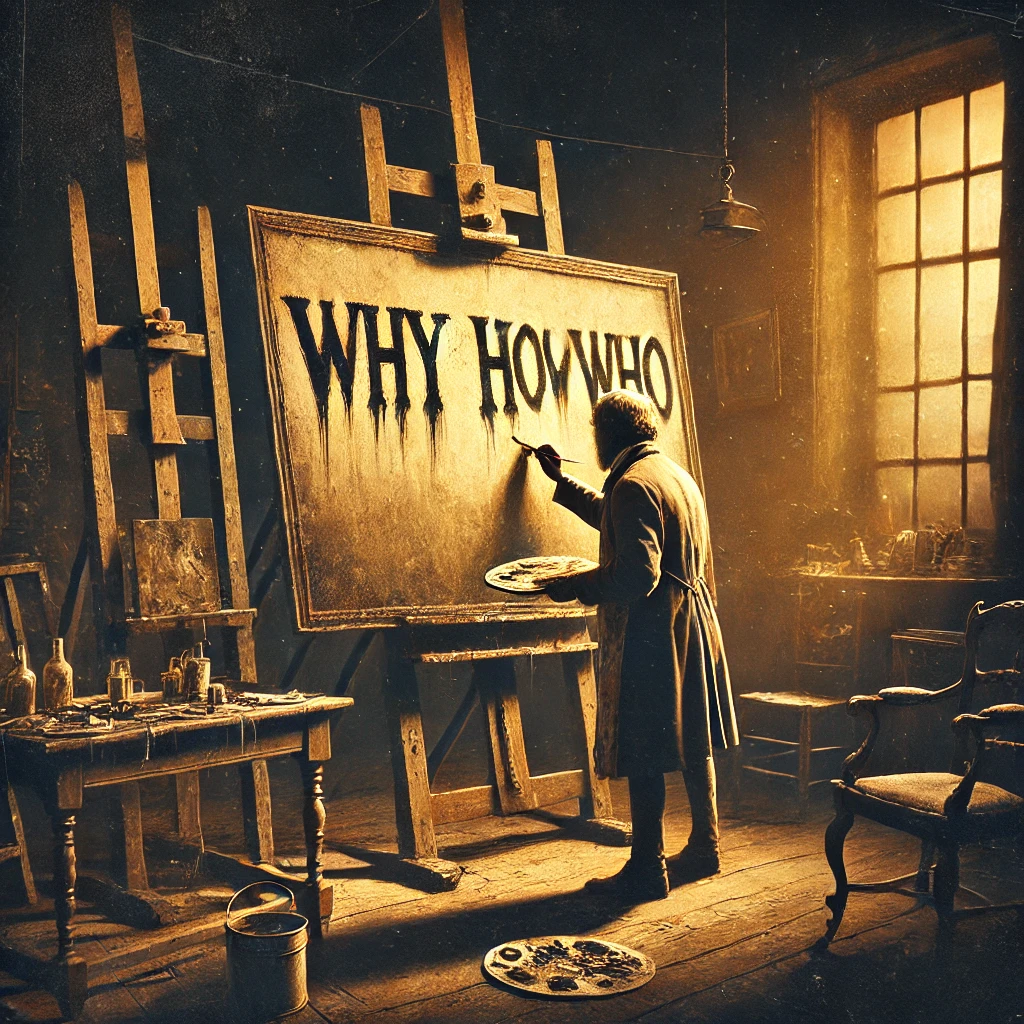
Sometimes people say:— There are no rules or laws in art!They quote Mayakovsky:— All poetry is a journey into the unknown! Such conclusions are sometimes considered necessary to pass on not only to young poets but also to young actors, painters, and musicians. And in saying this, they refer to Salieri, who “devoured music like […]
“In the Beginning Was the Word”
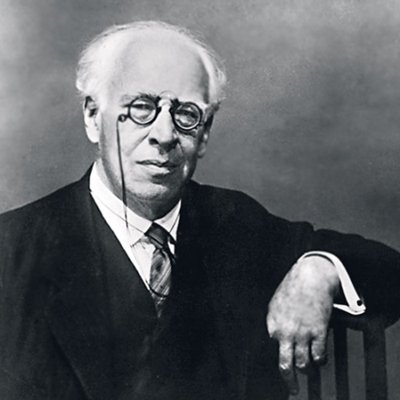
On July 21, 1938, shortly before Stanislavski’s death, a manuscript of An Actor Prepares was brought to him at Leontyevsky for his approval before printing. Lying on a couch in his spacious office—divided by Swedish bookshelves, behind which the “medical department” monitoring his health was concealed—he was handed unbound pages of the future book. “When […]
The Actors Studio and Lee Strasberg (By Robert H. Hethmon)
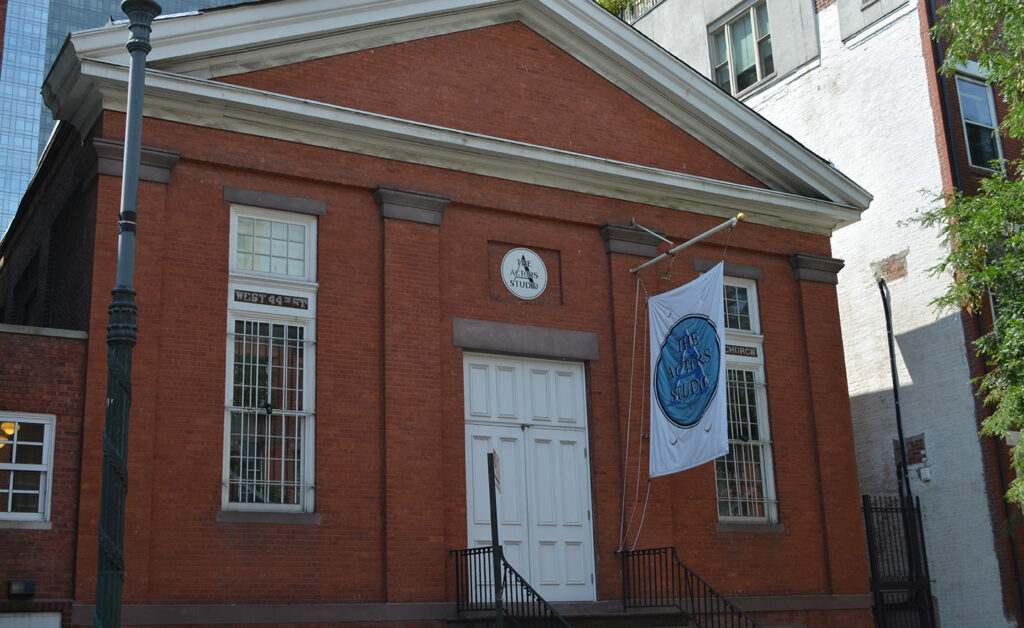
In recent years, visitors to New York seeking serious theater inevitably find themselves drawn beyond the glitz of Broadway and Ninth Avenue to a humble, two-story church building in a neoclassical Greek style. Surrounded by drab apartment buildings, it sits just a few feet back from the sidewalk, enclosed in front by black-painted iron railings. […]
And what does it mean, then, to be a poet?
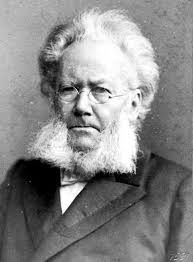
It took me a long time to realize that being a poet essentially means to see—but take care, to see in such a way that what is seen is perceived by the audience exactly as the poet saw it. But only what has been truly experienced can be seen in this way and be received […]
“Technique-unfaithful”
At S.A.M., we honor tradition. We respect all existing methods and techniques. However, we constantly challenge the rules to create new approaches. The idea that actors should be “technique-unfaithful,” exploring various disciplines and methods, is not groundbreaking, but it remains essential. Anyone who has set foot on stage or worked in diverse environments knows that […]
Actor’s imagination is PHYSICAL
The actor’s imagination is not intellectual, it is physical, the director can be intellectual, the writer can be intellectual, but the actor’s imagination is always physical. Actors are always trying to avoid the inevitable — getting up — so we talk…then the director talks…then the actors talk back and now we are all chatting about it. Don’t […]