What is visible is never the source.
Behavior, emotion, and expression are outcomes, not starting points.
The work begins beneath the surface, where impulses form before they are named.
Action is not initiated by will.
It arises from perception.
Before an actor does anything, something must be seen, heard, felt, or registered. Training therefore focuses on sharpening perception rather than producing results. When perception is alive, action follows without force.
Creative truth cannot be imposed.
It emerges only when the actor is free.
Freedom here does not mean lack of discipline. It means the removal of unnecessary interference—intellectual control, emotional forcing, premature interpretation. Technique exists to clear the way, not to dictate outcomes.
We avoid fragmenting the actor’s process into isolated components.
The creative state is treated as whole.
Rather than analyzing emotions, objectives, or actions separately, we work toward an integrated state in which perception, impulse, and response function together. Understanding may come later; it is not required in advance.
The work aims to engage the actor’s creative mechanism directly, without relying on explanation, psychology, or reasoning as primary tools.
Exercises are designed to bypass overthinking and allow spontaneous, intuitive responses to emerge. Repetition and simplicity are preferred over interpretation.
Technique is not something added on top of the actor.
It grows out of the actor’s natural rhythms, nervous system, and individuality.
There is no single path. Different actors require different points of entry. Traditions and teachers are treated as resources, not doctrines.
The actor’s task is not mere self-expression, but transformation—what we refer to at S.A.M. as the Protean Actor. Transformation is both inner and outer. It involves responsiveness to circumstances and the ability to remain alive within structure, allowing different facets of human experience to emerge without being fixed or predetermined.
Phi Playhouse and S.A.M. prioritize ongoing practice.
Not every session leads to clarity. Not every exploration produces results. This is accepted. Continuity matters more than outcomes. The work develops over time, not through breakthroughs.
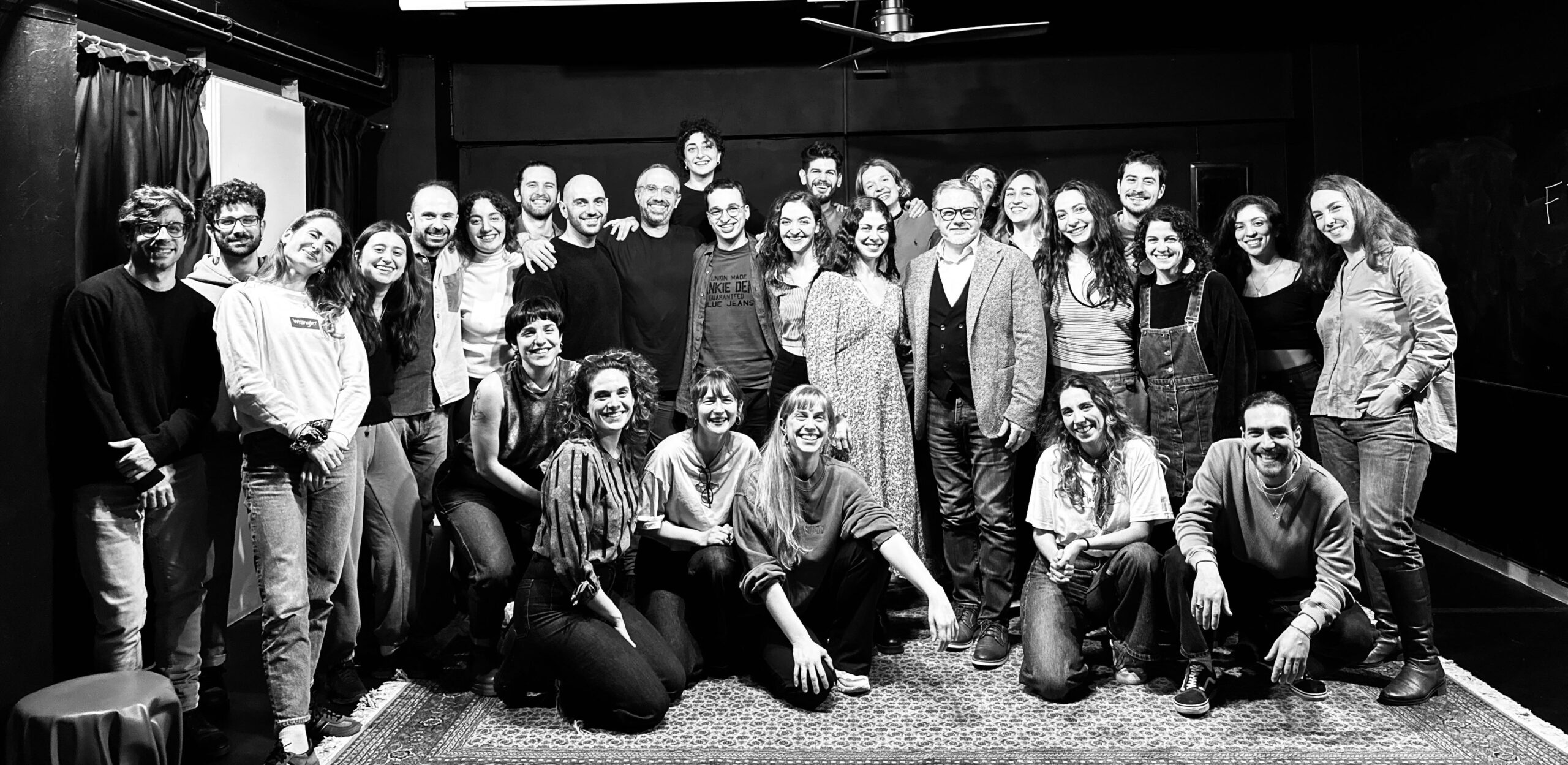
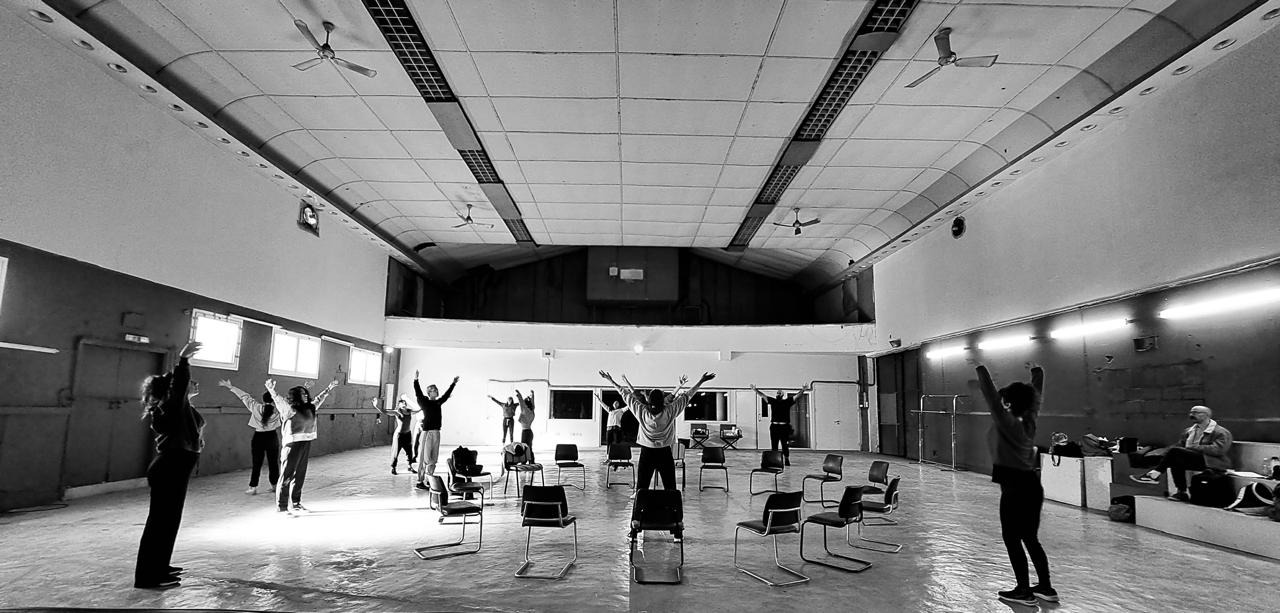
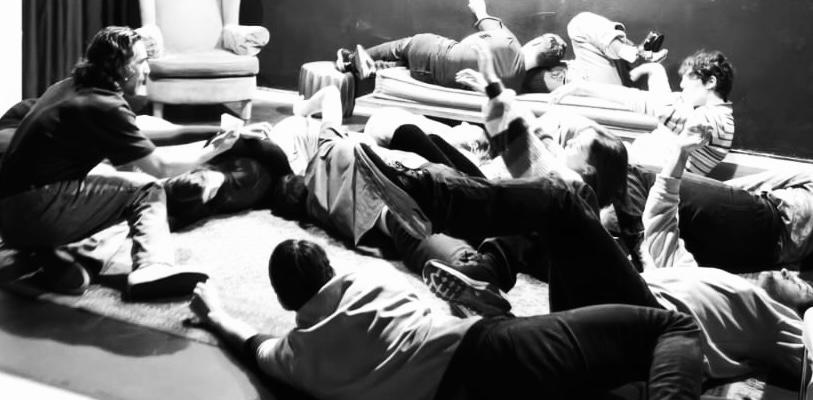
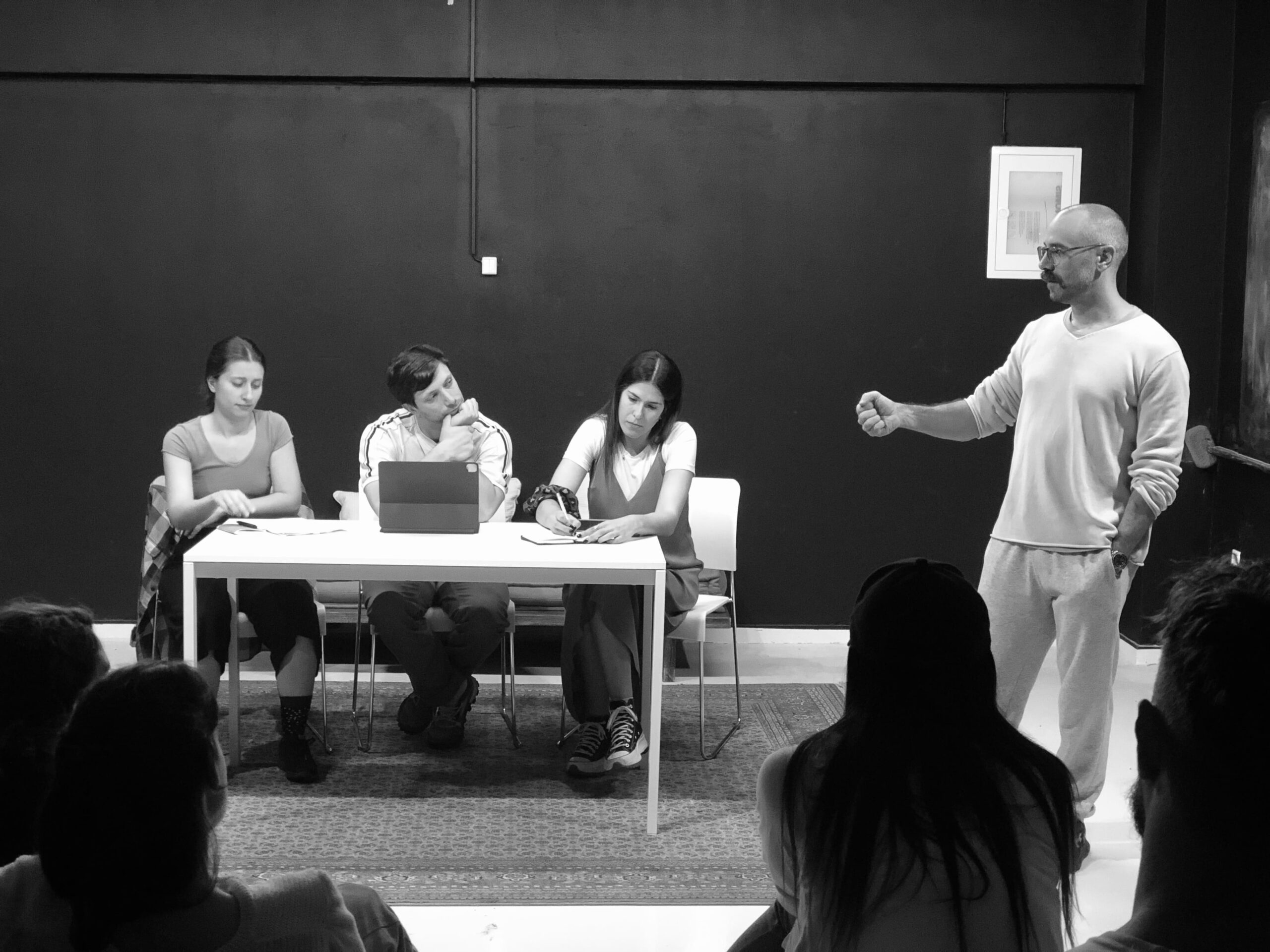
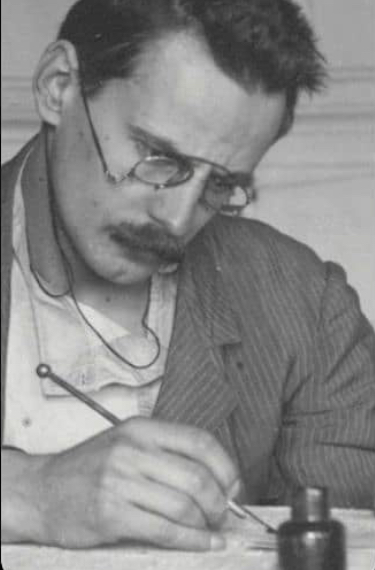
The work at Phi Playhouse is informed by traditions of organic acting, with a strong emphasis on the work of Nikolai Demidov, alongside the contributions of Konstantin Stanislavski (particularly Training and Drill), Michael Chekhov, and Sanford Meisner.
At Phi Playhouse, these traditions are approached through seminars, masterclasses, and workshops offered to actors outside the S.A.M. Ensemble. Within the S.A.M. Ensemble, they are not treated as fixed systems or methods to be adopted wholesale, but as practical contributions to an ongoing, living process of work.
We use cookies to improve your experience on our site. By using our site, you consent to cookies.
Manage your cookie preferences below:
Essential cookies enable basic functions and are necessary for the proper function of the website.